
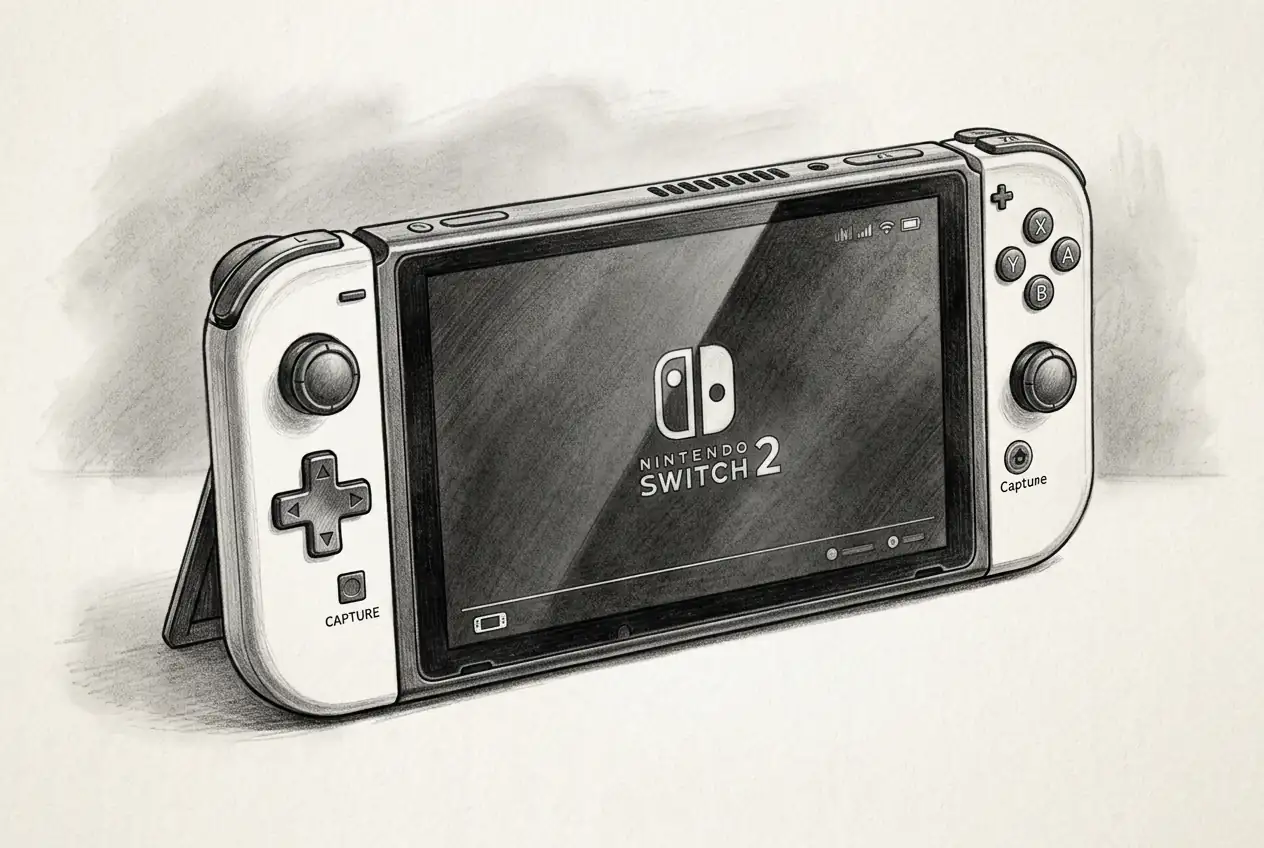
Shares of Nintendo surged 8.5% to $12.77 after the company posted a fiscal first-quarter earnings beat that nearly doubled Wall Street's profit estimates. The headline numbers dazzle, but investors face a critical question: how much of this quarter is repeatable?
A Profit Beat Built on a $300 Million Windfall
Net profit rose 53.5% year-over-year to ¥147.4 billion, beating analyst expectations of ¥78.3 billion, while operating profit climbed 150.5% to ¥142.5 billion.
A key contributor was roughly $300 million in refunds of tariffs levied under the International Emergency Economic Powers Act, which Nintendo recorded as a reduction of cost of sales.
Those refunds followed a U.S. Supreme Court ruling that struck down the trade levies as illegal.
While the tariff refunds were a one-time event, Nintendo's underlying software performance demonstrated genuine strength. Strip the windfall out, and the beat shrinks considerably — a nuance the stock's euphoric jump may be overlooking.
Software Is Carrying the Business While Hardware Slides
Switch 2 console hardware sales fell 34.4% from the year-ago period to 3.82 million units. Yet Switch 2 software sales reached 9.46 million units, up 9.2% year-over-year, led by two first-party titles that combined for over 9 million units sold.
Gross profit margin jumped to 54.3%, reflecting a richer software mix.
Digital revenue jumped 90% year-over-year , signaling that higher-margin downloads are becoming a bigger share of Nintendo's revenue. For shareholders, this software-heavy mix is structurally more profitable — each game sold drops far more to the bottom line than a console unit.
Nintendo Kept Its Full-Year Forecasts Unchanged — That's the Tell
Nintendo left its full-year outlook intact, with net sales projected at ¥2.05 trillion and net profit at ¥310 billion through March 2027.
The company said it has factored in approximately ¥100 billion in costs from higher component prices and tariff measures. Despite crushing Q1 estimates, management chose not to raise guidance — suggesting it sees headwinds ahead. Nintendo shares are still down 28% year-to-date, far underperforming the Nikkei's 30% advance.
A Legal Overhang Lingers Over the Windfall
Nintendo wants no part of sharing tariff refunds with customers; in response to a class-action lawsuit, it argues consumers "received exactly what they bargained and paid for." If the court disagrees, some of that $300 million could be clawed back. At $12.77, the stock is pricing in today's good news — but sustainable earnings growth depends on whether Nintendo can keep selling high-margin games faster than its hardware base erodes.