
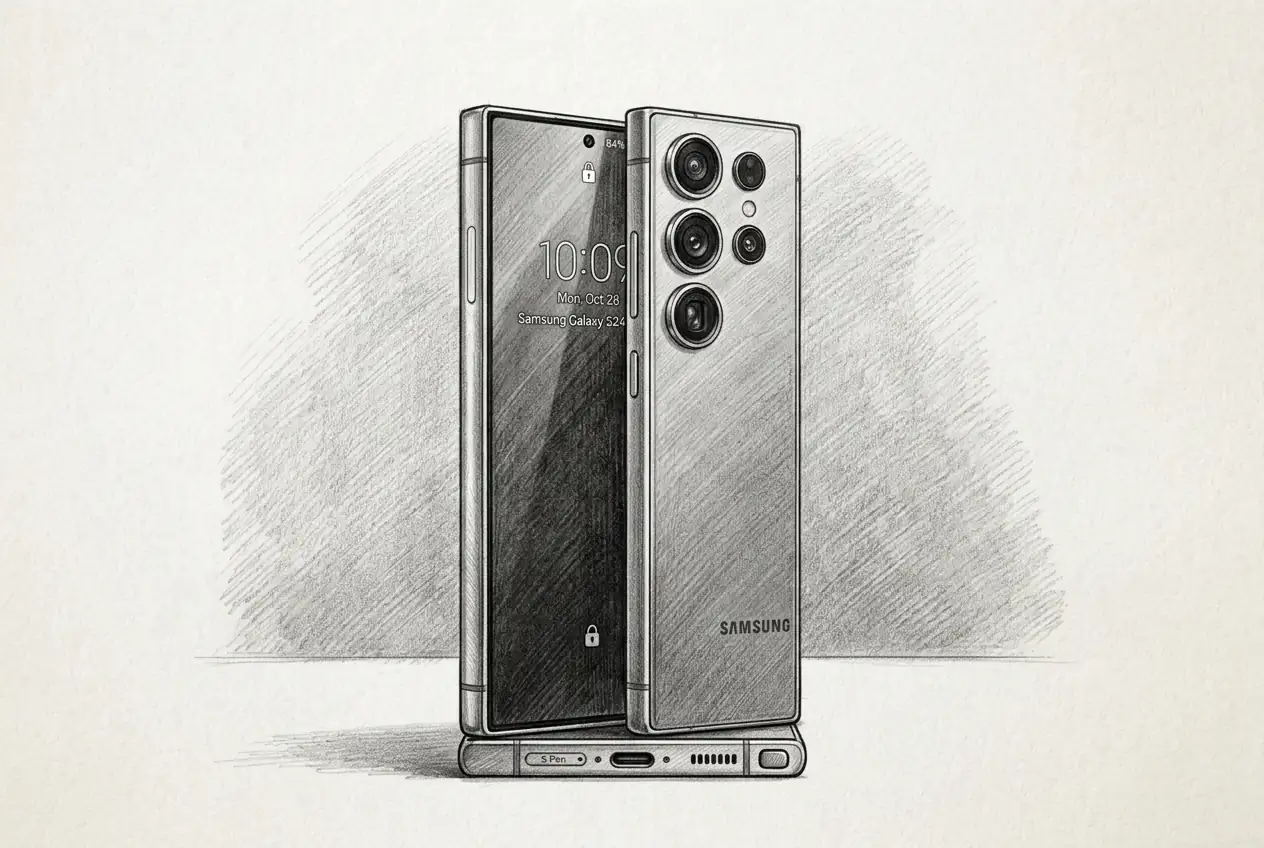
Shares surged 4.1% to KRW 239,500 on August 12 after KB Securities projected Samsung Electronics could boost annual shareholder returns from 9.8 trillion won to as much as 200 trillion won (~$144 billion) — a figure that, if realized, would dwarf nearly every capital-return program in global tech history. The move was company-specific; U.S. markets were flat or lower the prior session.
AI Memory Profits Are Generating Staggering Cash — Samsung's operating profit in the first half of 2026 was about 146 trillion won.
For the third quarter, KB Securities projects operating profit of 112 trillion won, up an astounding 817% year-over-year, with an expected operating margin of 55%. The explosion in artificial-intelligence-related memory chip demand has transformed Samsung's cash-generation capacity, giving it room to invest heavily and return money to shareholders at the same time.
The Current Payout Looks Tiny Next to What's Coming — Samsung's existing three-year shareholder return policy, announced in January 2024, pledged to return 50% of cumulative free cash flow while paying regular annual dividends of 9.8 trillion won. That policy expires soon. During its July 30 earnings call, Samsung said it would soon announce its next shareholder return plan.
KB Securities' Kim Dong-won noted that if shareholder returns reach at least 100 trillion won, the dividend yield would exceed 7% based on the current stock price — a remarkable figure for a mega-cap tech stock.
A Bold Price Target Implies the Stock Could More Than Double — KB Securities set a target price of 600,000 won and maintained a "buy" rating , representing roughly 150% upside from today's close. Yet Samsung shares are still down about 36% from their peak of 362,500 won in June , meaning even the recent pop leaves the stock deep in correction territory.
Investors Should Watch the Fine Print — Dividends are only one option, with share buybacks and cancellations also under consideration. How Samsung structures the program — lump-sum special dividends versus multi-year buybacks — will determine whether the stock sustains this momentum or gives it back. Analysts cite rising memory prices, persistent supply shortages, a recovery in high-bandwidth memory competitiveness, and a possible foundry turnaround as grounds for reassessing Samsung's value. The risk: memory markets are cyclical, and a 200-trillion-won payout assumes today's AI-driven profits are durable, not a peak.