
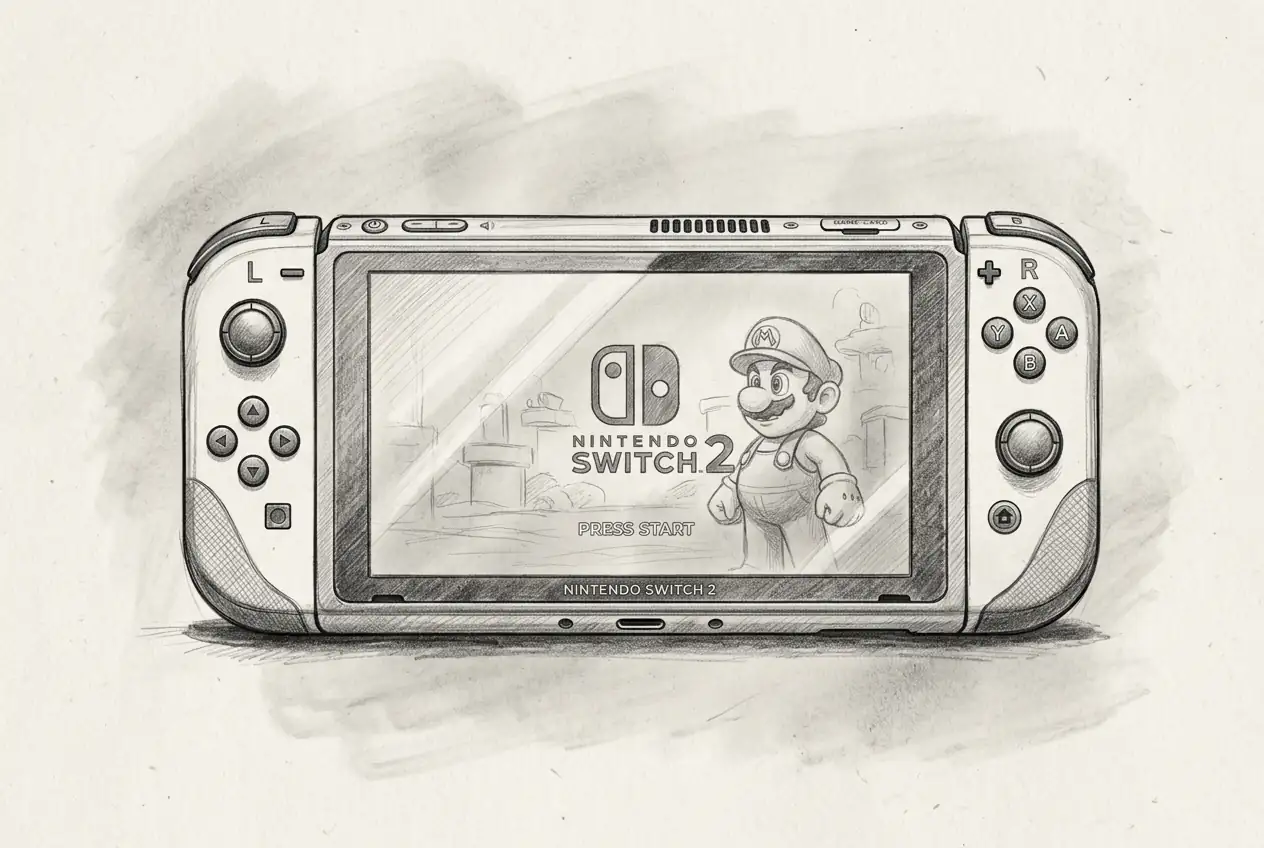
Shares tumbled 7.5% to €44.10 after Nintendo's September 8 Zelda 40th Anniversary Direct left investors hungry for blockbuster Switch 2 game reveals. The selloff echoes a pattern that is becoming uncomfortable for shareholders: strong hardware numbers undermined by a software roadmap that keeps disappointing Wall Street.
A Remake Headlined Where a New Franchise Entry Was Expected
The Zelda Direct's centerpiece was extensive gameplay of the Ocarina of Time remake for Switch 2, set for a November 5, 2026 launch.
The remake is a standalone release, not even bundled with the limited-edition Zelda anniversary console. Investors wanted evidence of a new Zelda or Mario title — the kind of system-seller that drives both hardware upgrades and high-margin first-party software attach. A repackaged 1998 classic, however polished, doesn't carry the same revenue weight. This mirrors what happened in June, when Nintendo's shares fell after a game showcase "came up short on brand-new titles from heavyweight franchises such as Mario."
23 Million Consoles Sold, but the Holiday Lineup Needs to Carry Them
Switch 2 has sold 23.68 million units as of June 30, 2026, surpassing the GameCube's entire lifetime.
Yet quarterly hardware sales fell 34.4% year-over-year. Software is what keeps an installed base spending — 48.71 million Switch 2 game units have been sold so far, with Mario Kart World alone accounting for 14.70 million. Without a marquee holiday release beyond a remake, Nintendo risks a weak attach rate heading into its most competitive Q4, with Sony and Microsoft planning hardware refreshes.
Broader Headwinds Compound the Company-Specific Miss Oil above $100 is squeezing consumer-discretionary spending globally. Nintendo's fiscal 2026 sales guidance of 16.5 million units already disappointed analysts , and the Switch 2's U.S. price climbed to $499.99 after a $50 hike effective September 1. A pricier console needs more compelling software to justify itself — not less.
The Credibility Gap Between Nintendo's Pace and Investor Expectations
Nintendo must "pace their heavy hitters over another 5 years, at least." That is sound game-design strategy but poor investor relations. Wall Street still carries a consensus Strong Buy with an $88.03 price target , implying the Street sees deep value — but each underwhelming Direct chips away at the confidence that software catalysts will arrive soon enough to close the gap.