
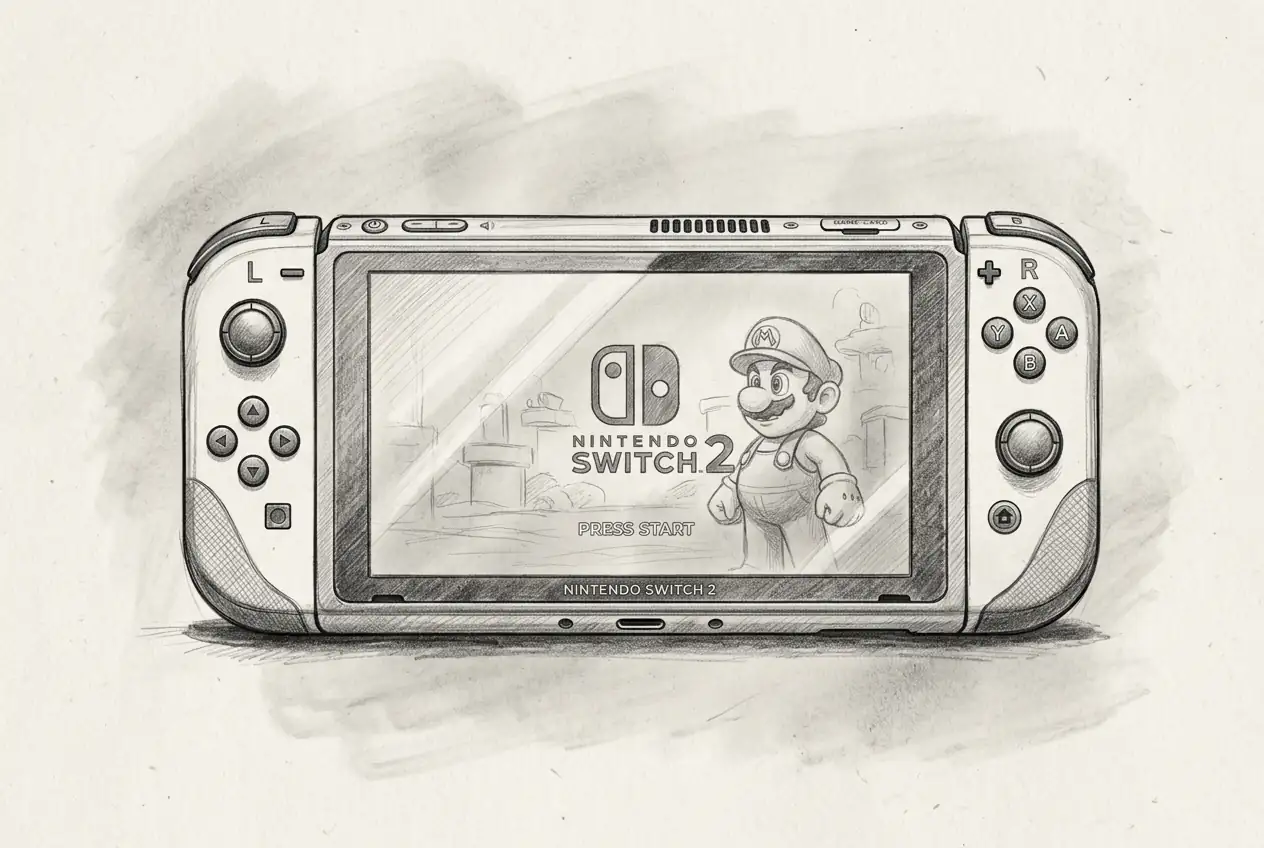
Shares surged 7.0% to €44.42 after Nintendo posted a fiscal first quarter that demolished Wall Street expectations, nearly doubling net profit on a cocktail of strong game sales and a one-time government refund. The question for investors: how much of this blowout is repeatable?
A One-Time Tariff Refund Did Most of the Heavy Lifting
A key contributor was roughly $300 million in refunds of tariffs levied under the International Emergency Economic Powers Act, which Nintendo recorded as a reduction of cost of sales.
The company said those tariff costs had been borne by Nintendo rather than passed on to consumers through product prices. Strip out that windfall and the profit beat shrinks dramatically. Nintendo had sued the U.S. government for a refund after the Supreme Court ruled those tariffs illegal. That cash won't recur — meaning next quarter's results will need to stand on their own.
The Numbers Crushed Estimates, Even on the Top Line
Revenue came in at ¥517.8 billion ($3.28 billion) versus expectations of ¥444.96 billion, while net profit of ¥147.4 billion nearly doubled the consensus estimate of ¥78.30 billion.
Net profit rose 53.5% year-over-year and operating profit jumped 150.5% to ¥142.5 billion. That margin of outperformance gives management a cushion for the rest of the fiscal year.
Hardware Sales Dropped, but Software and Entertainment Picked Up the Slack
Switch 2 console hardware sales fell 34.4% from the year-ago period to 3.82 million units. Yet digital game sales jumped 90% compared with a year ago , and income from Nintendo's characters — merchandise, royalties, apps, and movies — climbed 107.4%, fueled largely by the Super Mario Galaxy Movie, which crossed $1 billion at the box office. The business is becoming less dependent on selling boxes and more reliant on higher-margin games and entertainment licensing.
Nintendo Held Its Full-Year Outlook, Banking on Cautious Assumptions
Nintendo left its full-year forecast unchanged at ¥2.05 trillion in net sales and ¥310 billion in net profit, having already baked in approximately ¥100 billion in costs from rising component prices and tariff measures.
A Switch 2 price increase to $499 takes effect September 1 , giving the company a margin lever if demand holds — but also testing consumer tolerance heading into the holiday season.