
Moody's Downgrade Hammers Merlin Shares — But Is the Market Punishing the Right Company?
Shares of Merlin, Inc. cratered for a second straight session, sliding -7.2% to $2.05 after plunging -27.5% on September 16. The catalyst: Moody's shifted its outlook on Merlin to negative and cut the rating on senior secured debt to Caa2 — deep into junk territory — while affirming a Caa1 corporate-family rating. The two-day wipeout has erased roughly a third of the stock's value and pushed it to a fresh 52-week low.
-
A Lock-Up Expiry Collided With a Credit Scare to Create a Perfect Storm. Approximately 66 million shares became eligible for sale when a lock-up expired on September 16. That supply shock alone would have pressured a thinly traded name — volume on September 16 hit 6.34 million shares, more than five times the 1.23 million daily average. The Moody's downgrade arriving on top of that flood gave sellers an additional reason to rush for the exit.
-
The Company Actually Has No Debt and Plenty of Cash. Merlin reported Q2 2026 revenue of $2.2 million and ended the quarter with $183.9 million in cash and short-term investments — and no debt. That balance sheet does not fit the profile of a Caa2-rated issuer, which Moody's typically reserves for companies at high risk of default. Investors should examine whether this action pertains to Merlin Entertainments, the UK-based theme-park operator with heavy leverage, rather than the Nasdaq-listed autonomous-flight firm.
-
A Massive EPS Miss Darkened the Backdrop Before the Downgrade Landed. In its August 16 earnings release, Merlin reported Q2 EPS of -$1.40 versus consensus expectations of -$0.24, a miss driven largely by non-cash warrant-liability charges. Cantor Fitzgerald subsequently cut its price target to $9 from $11 — still more than four times today's price — suggesting at least one analyst sees deep value if execution continues.
-
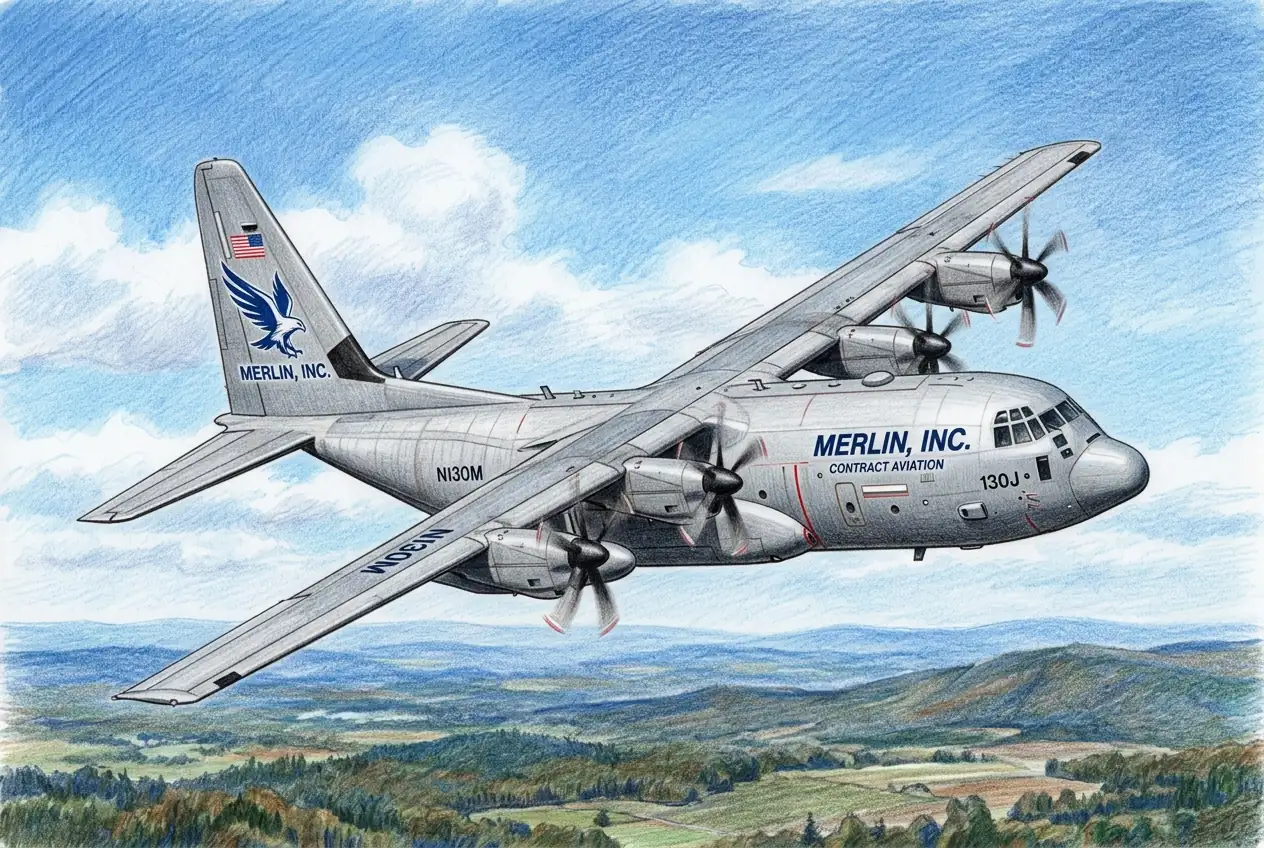
Military Milestones Could Be the Next Sentiment Reset. A September 30 demonstration for the USAF KC-135 tanker autonomy program and continued progress on the USSOCOM C-130J program represent near-term catalysts. Merlin already executed its first fully autonomous landing at a major air show in July, but converting technical wins into revenue remains the central challenge for a company burning roughly $28 million per quarter.
At $2.05, the market is pricing Merlin as a distressed story. The question is whether a possible ratings-agency mix-up, lock-up selling pressure, and a brutal EPS miss have combined to create an overcorrection — or whether the cash runway simply isn't long enough to reach profitability.