
Shares of Eli Lilly surged 3.7% to $1,244.16 after two developments landed in quick succession: European regulators endorsed a broader use for the company's blood cancer pill, and Lilly's flagship obesity drugs became available to Medicare patients for just $50 a month. Together, they spotlight a company betting it can dominate two of medicine's largest markets simultaneously — but the stock's rich valuation demands both bets pay off.
• Europe's Drug Regulator Opens a Bigger Market for Lilly's Cancer Pill. The EMA's advisory committee recommended approving a label expansion for Jaypirca to treat adults with chronic lymphocytic leukemia (CLL) across all lines of therapy.
Previously, the drug was limited to patients who had already failed on an older type of cancer pill; the new opinion covers all CLL patients regardless of prior treatment.
GlobalData forecasts Jaypirca could become the market leader in its drug class for CLL, capturing roughly 60% share with about $3 billion in sales by 2032.
An FDA decision on a similar expansion is expected in the second half of 2026 , which could unlock the far larger U.S. market. But competing cancer pills from AbbVie and Johnson & Johnson are already entrenched, and EU pricing negotiations may limit commercial returns.
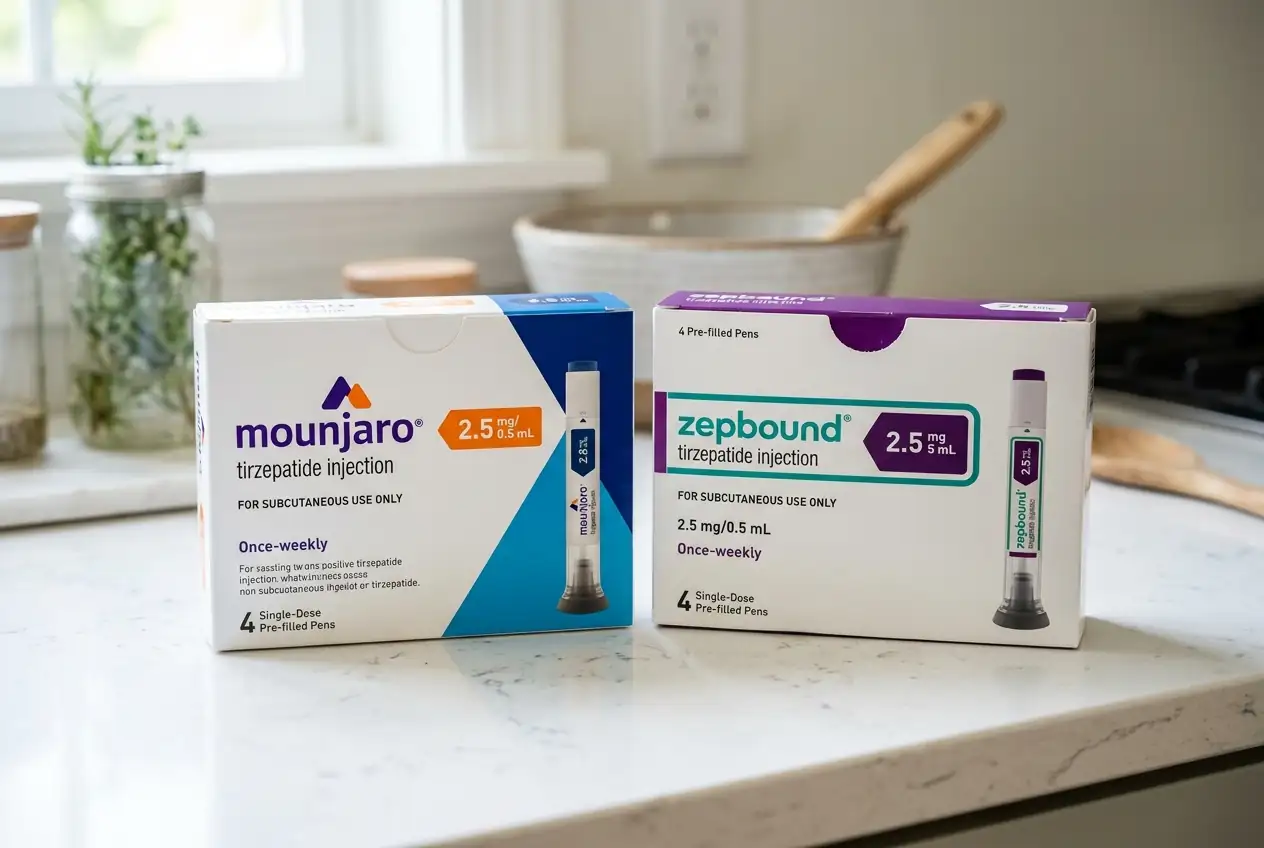
• Medicare's $50 Obesity Drug Program Could Unleash Massive Demand. Starting July 1, 2026, eligible Medicare Part D patients can access Lilly's weight-loss injection Zepbound and its daily pill Foundayo for $50 a month — a steep discount from a list price of roughly $1,087 per month.
An estimated 3.8 million beneficiaries could be eligible , and the government negotiated a $250-per-month payment to the manufacturer , meaning Lilly still captures meaningful revenue per patient while trading lower price for far higher volume.
• The Program Is Temporary — And That's a Risk. The Medicare GLP-1 Bridge is a temporary program running through December 2027 , not a permanent coverage change. Analysts at KFF note "it is temporary, so it's really not clear at this point what happens after the end of the 18-month program." If Congress doesn't act, millions of new patients could lose access, disrupting Lilly's revenue trajectory.
• A Growth Story the Numbers Already Reflect. Lilly's trailing twelve-month revenue hit $72.25 billion as of Q1 2026, up 47% year-over-year , and the company raised its full-year revenue guidance by $2 billion after 56% first-quarter growth. At roughly 40× earnings, the stock prices in substantial future expansion. These catalysts support that thesis — but with a temporary Medicare bridge and fierce oncology competition, execution still has to match the premium investors are paying.