
Shares of iShares Gold Trust (IAU) slid 3.1% to $83.91 on August 28 after Federal Reserve Chair Kevin Warsh used his Jackson Hole address to signal that interest rates may need to stay higher for longer — a direct hit to gold, which pays no interest and becomes less attractive when bonds offer fatter yields. Warsh's Inflation Warning Hammers Gold: Is IAU's 3% Drop a One-Day Flush or the Start of a Rate-Driven Retreat?
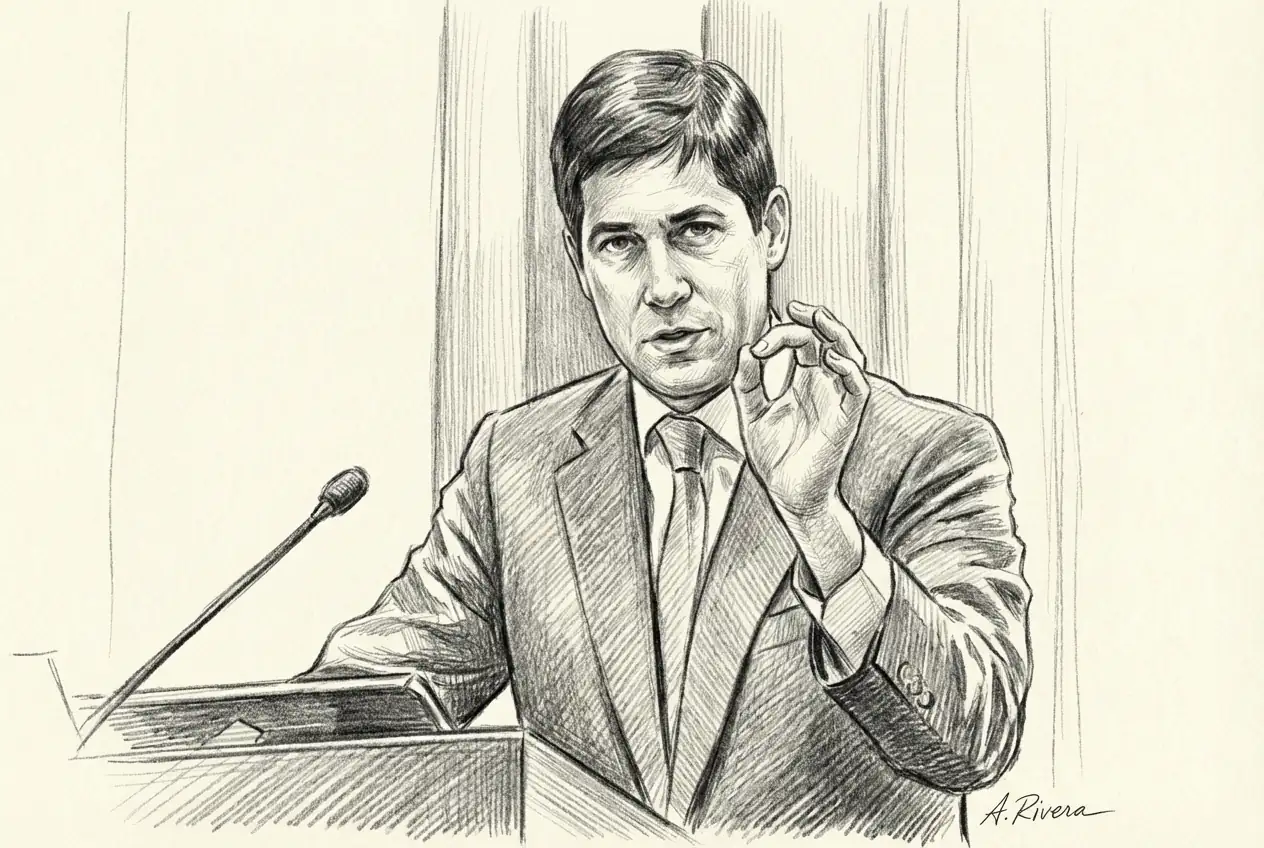
Shares of iShares Gold Trust tumbled 3.1% to $83.91 on Friday after Fed Chair Kevin Warsh used his Jackson Hole debut to warn that "underlying trends" in inflation have not improved, sending rate-hike expectations sharply higher and gutting demand for an asset that pays no interest.
• Warsh Changed the Rate Calculus in a Single Speech. Before the address, roughly 70% of investors expected the Fed to hold rates steady in September. Afterward, fed funds futures swung to price a nearly 56% chance of a quarter-point hike.
The benchmark federal funds rate sits at 3.50%–3.75% , and the Fed's preferred inflation gauge still shows prices rising 3.7% over the past year. Higher rates raise the "opportunity cost" of owning gold — meaning investors can earn more from bonds, making zero-yield gold less appealing. That math pushed spot gold lower and dragged IAU, which simply holds physical gold bars in a vault, along with it.
• Gold's Year-Long Rally Means the Drop Has Room to Deepen. Gold has staged a roughly 135% rally from its October 2022 low of $1,656, driven primarily by central-bank buying and reserve diversification.
By traditional models, real yields this high should cap gold — the fact that they have not is itself a regime question. If Warsh follows through, elevated rates could finally force that reckoning. IAU's five-day chart already showed fragility: the fund drifted from $87.76 on August 25 to $86.62 on the eve of the speech, then gapped sharply lower Friday.
• Central Banks Are Still Buying — But That Floor Has Limits. Central banks bought 289 tonnes of gold in Q2 2026, the highest since Q4 2024 , led by Poland (51 tonnes) and China (33 tonnes).
A World Gold Council survey shows 74% of reserve managers expect to cut U.S.-dollar exposure over the next five years. That structural bid puts a floor under gold at extreme lows, but it did not prevent today's selloff — institutional reserve-building moves at its own pace and cannot absorb fast, rate-driven ETF liquidation.
• The September Meeting Is Now the Next Flashpoint. Supply-chain shocks tied to the Iran conflict and doubts about Fed credibility have combined to lower the bar for a September hike. If data between now and the September 15–16 meeting keeps inflation sticky, another leg down in gold — and in IAU — is the base case. Conversely, any softening in jobs or prices could rapidly unwind today's repricing. IAU shareholders are, in effect, making a bet that Warsh will blink before the gold market does.