
Shares of Howmet Aerospace plunged 10.4% to $232.38 on Monday as investors digested reports that SpaceX intends to manufacture gas-turbine blades and vanes internally, potentially bypassing one of Howmet's most profitable specialty product lines. The sell-off wiped out more than a week of gains and raises a pointed question: is this a genuine competitive threat or a market overreaction to a headline? SpaceX Wants to Make Its Own Turbine Blades — Does That Really Threaten Howmet's Dominance, or Just Prove How Tight Supply Has Become?
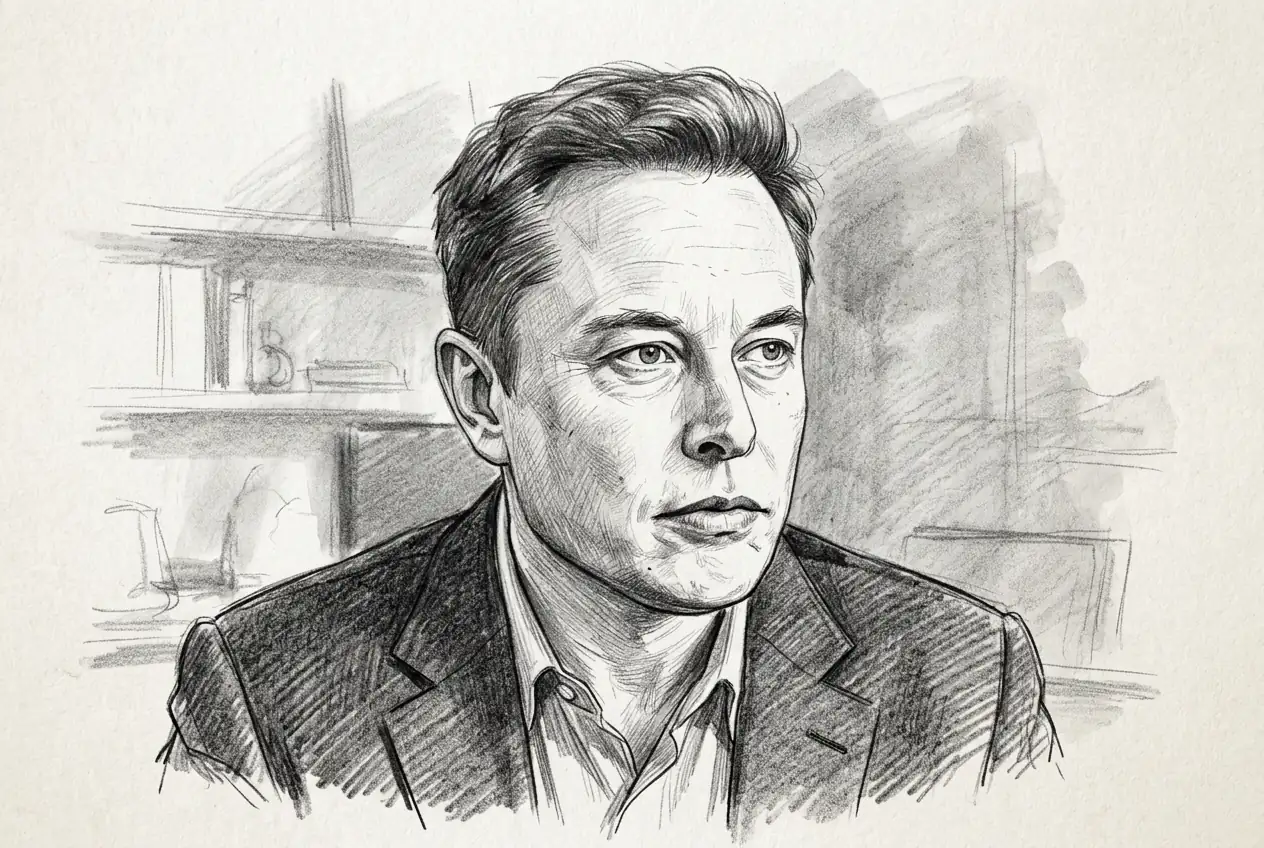
Shares of Howmet Aerospace cratered 10.4% to $232.38 after Elon Musk confirmed SpaceX is building a foundry in Bastrop, Texas, to cast gas-turbine blades and vanes in-house — components that sit at the heart of Howmet's fastest-growing business. Musk called blade casting "the limiting factor" for natural-gas turbine production and said in-house manufacturing could "accelerate nat gas turbines coming online by up to 18 months." The question for shareholders: is this a real competitive incursion or a backhanded compliment to a supplier the market can't live without?
SpaceX Is Solving Its Own Problem, Not Entering Howmet's Market. SpaceX's foundry aims to speed turbine deployment for AI data centers , and Morgan Stanley concluded that the foundry's output would likely remain internal, with no expectation that SpaceX would become a commercial seller.
SpaceX disclosed plans to spend more than $2.8 billion on gas turbines for data centers over three years — a massive captive appetite, not a merchant supply play.
Howmet's Numbers Tell a Story of Overwhelming Demand, Not Vulnerability. Organic revenue growth hit 21% in Q2, with gas-turbine revenue surging 38% as data-center electricity needs drive unprecedented ordering. Earnings per share jumped 46% year-over-year to $1.33 , and the stock had been trading above 50× forward earnings — a hefty premium that left it exposed to any negative headline.
Wall Street Says Buy the Dip, Not Run for the Exit. Bernstein maintained an "Outperform" rating with a $328 price target, arguing SpaceX's initiative represents vertical integration for its own power needs rather than a competitive assault.
Citi kept a "Buy" rating and a $329 target, placing Howmet on a 30-day upside catalyst watch, noting the underlying demand for Howmet's components remains strong.
Howmet holds long-term agreements with every major turbine producer , and analysts doubt SpaceX can reach commercial-scale output within its compressed 18-month timeline.
A Stretched Valuation Amplified a Manageable Threat. The real catalyst was sentiment meeting price. A stock priced for perfection needs very little bad news to sell off sharply. Both Bernstein and Citi argued SpaceX's effort poses minimal competitive threat given Howmet's dominant market share, long-term supply agreements through 2030, and the technical difficulty of scaling turbine-blade production. With the broader Dow also down 1.15%, nervous holders found an excuse to lock in profits. For patient investors, the math has not fundamentally changed — but the entry price just did.