
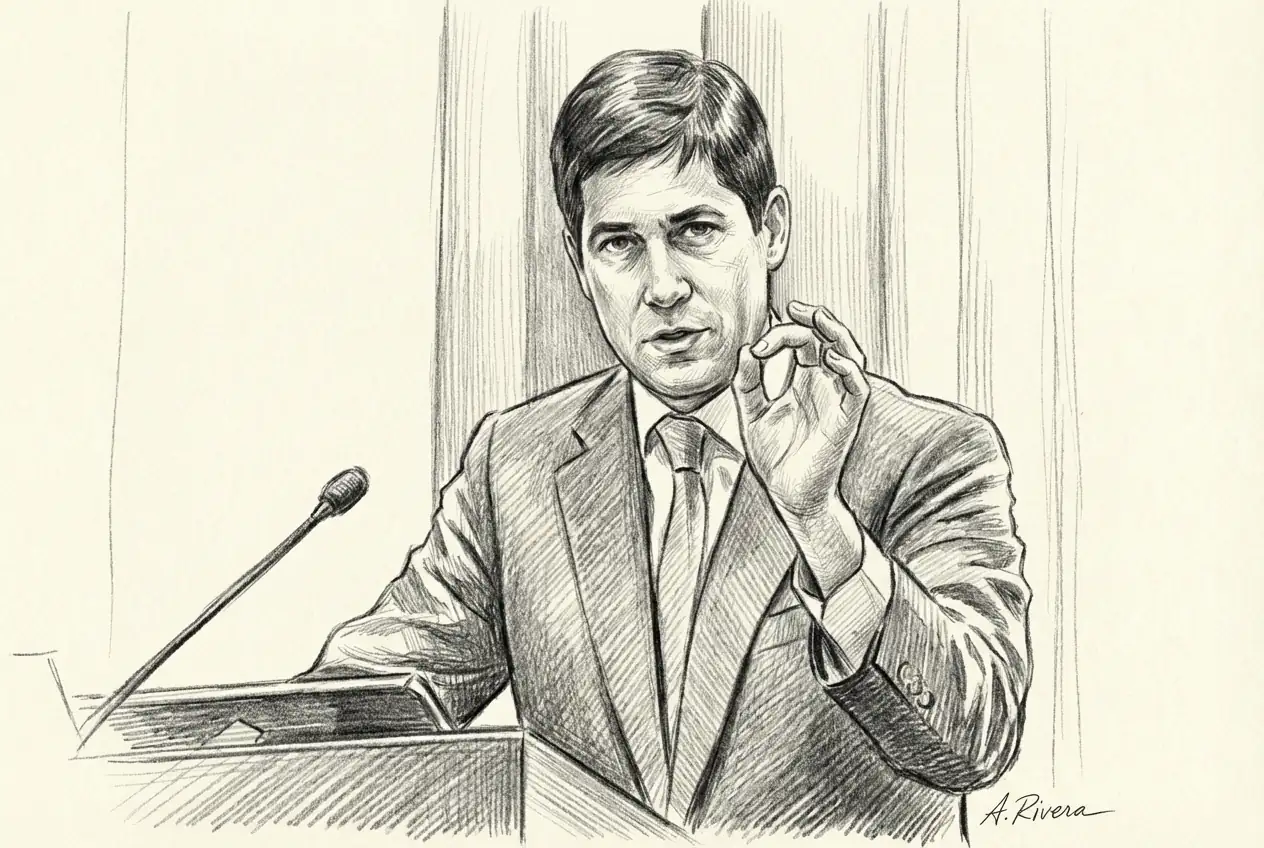
Shares of SPDR Gold MiniShares (GLDM) tumbled 3.1% to $88.32 on August 28, erasing nearly a week of gains after Federal Reserve Chair Kevin Warsh used his Jackson Hole speech to signal that interest rates aren't coming down anytime soon. Gold Slides 3% as Warsh Draws a Line on Inflation — Can the Metal's Year-Long Rally Survive a Rate-Hike Threat?
Shares of SPDR Gold MiniShares dropped $2.85 to $88.32 (–3.1%) Friday after Fed Chair Kevin Warsh used his first Jackson Hole speech to warn that inflation remains unacceptably high, jolting rate expectations and sending Treasury yields sharply higher.
Warsh Told Markets the Fed's "Predominant Focus" Is Prices, Not Cuts
Warsh said that while "this summer's readings were better than expected, they do not tell me that underlying trends have meaningfully improved," hinting interest rates could need to move higher if inflation doesn't cool.
The consumer price index shows prices up 3.4% year-over-year, while the Fed's preferred gauge sits at 3.7% — well above the 2% target, with the benchmark rate parked at 3.50%–3.75% after two meetings of no change. For gold holders, this is the worst possible signal: when the Fed leans toward raising rates rather than cutting them, the appeal of an asset that pays zero income shrinks fast.
Treasury Yields Surged, Raising the Cost of Owning Gold
Short-term Treasury yields jumped by the most in more than two months as traders ratcheted up bets the Fed may shift to raising rates as soon as September.
The 10-year yield has climbed to roughly 4.71%, while the 30-year bond hit 5.33% — a level not seen in nearly two decades. When government bonds pay over 5%, investors can earn a safe return parking cash there instead of holding gold, which generates nothing. That math punishes GLDM directly.
Gold Had Already Climbed to a Three-Month High, Setting Up a Sharp Reversal
Spot gold had touched a more-than-three-month high earlier this week following the U.S. Treasury's announcement of support measures for long-duration bonds.
Gold peaked near $5,600 in January before trending down for months , and the most recent cycle high was $4,722 in April. Friday's sell-off shows that profit-taking accelerates quickly once the macro narrative shifts against the metal.
The September Fed Meeting Is Now the Key Date for GLDM Investors
The speech puts Warsh more clearly at odds with the White House's demand for lower rates and raises the stakes for the September meeting. If incoming data — jobs, inflation — stay hot, a rate hike becomes a real possibility, which would extend gold's pain. Conversely, any softening in the numbers could revive the case that the Fed stays put, relieving pressure on GLDM. Structural forces like massive fiscal deficits and central-bank gold buying have supported prices even when traditional models say yields this high should cap them — but that floor just got tested.